
Asphalt Paving vs. Concrete: Choosing the Right Surface
People searching for asphalt paving vs. concrete are often trying to decide which surface suits their needs, and local contractors can help determine the best choice for their project.
Choosing the right surface for a property’s driveway, parking lot, or walkway can significantly impact its functionality and appearance. Property owners in the area often explore the differences between asphalt paving and concrete to determine which material best suits their needs, budget, and aesthetic preferences. Understanding the practical benefits and considerations of each option helps make informed decisions, and local contractors specializing in asphalt paving can provide valuable insights and professional assistance to guide this process.
Asphalt paving services offered by local contractors are well-equipped to handle a variety of projects, whether it’s installing a new driveway or resurfacing an existing one. These professionals understand the unique qualities of asphalt and how it compares to concrete, helping property owners weigh factors like durability, maintenance, and visual appeal. Keeping this information in mind can make choosing the right surface easier, ensuring the finished result aligns with both practical needs and long-term goals.
- Driveway installation - homeowners considering asphalt paving vs. concrete for their driveway can rely on local contractors to recommend the most durable and cost-effective surface.
- Parking lot paving - property managers seeking to optimize parking areas often turn to local service providers who specialize in asphalt or concrete based on traffic needs and usage.
- Pathway and walkway construction - for smooth, accessible paths, local pros evaluate factors like climate and foot traffic to suggest the best surface material.
- Commercial lot repairs - businesses needing to repair or replace existing paving can consult local contractors to determine whether asphalt or concrete offers better longevity.
- Overlay and resurfacing projects - property owners looking to upgrade existing surfaces often work with local service providers to decide between asphalt and concrete options for durability and appearance.
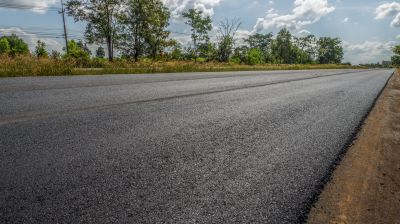
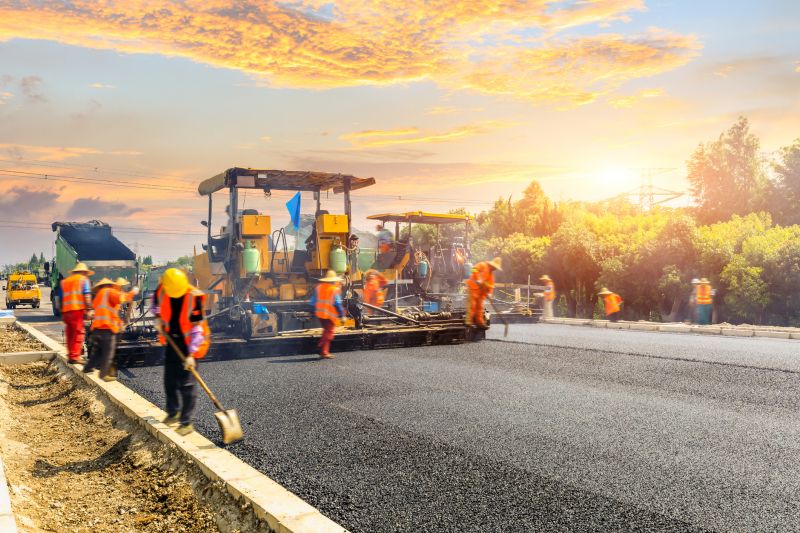
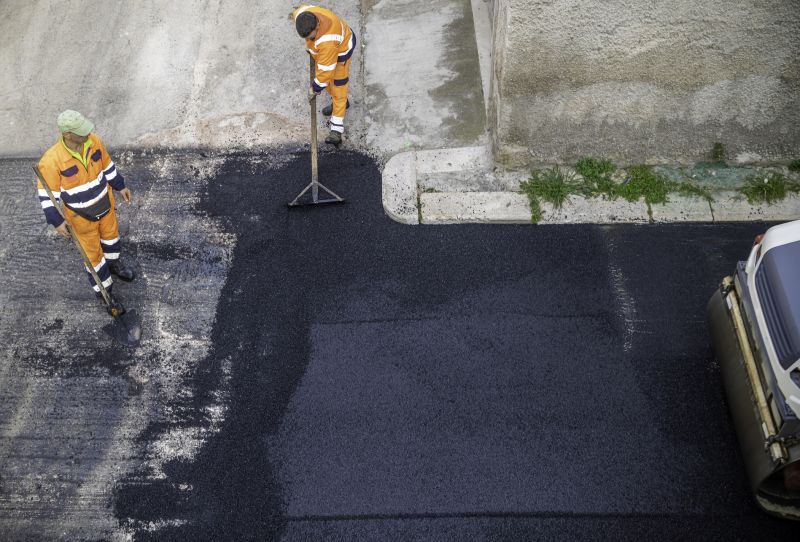
When people search for asphalt paving vs. concrete: choosing the right surface, they are often trying to determine the best material for their specific property improvements. This topic is typically connected to projects like driveway installations, parking lot repaving, walkways, or even small residential patios. Homeowners and property managers want to understand the differences in durability, appearance, maintenance needs, and cost to make informed decisions that will enhance the functionality and appearance of their properties. The decision often hinges on how the surface will be used, how long it needs to last, and how it fits into the overall property design.
These comparisons are relevant to a variety of property types, including single-family homes, multi-unit residential complexes, commercial properties, and even small business storefronts. For residential properties, driveways and walkways are common areas where choosing between asphalt and concrete can impact curb appeal and longevity. Commercial properties, such as parking lots or loading zones, often require surfaces that can withstand heavy traffic and frequent use. Local service providers who specialize in asphalt paving or concrete work can evaluate the specific needs of each property, taking into account usage patterns, climate conditions, and aesthetic preferences to recommend the most suitable surface material.
Problems that lead property owners to explore asphalt paving vs. concrete: choosing the right surface often involve issues like cracking, uneven settling, or deterioration over time. For example, asphalt tends to be more flexible, making it better at handling temperature fluctuations and minor ground shifts, but it may require more frequent sealing or repairs. Concrete, on the other hand, is generally more durable and resistant to wear, but it can crack under extreme freeze-thaw cycles or heavy loads if not properly installed. Planning for future maintenance, considering the property's exposure to weather, and understanding the long-term performance of each material are key factors that local contractors can help clarify, ensuring the chosen surface meets both immediate needs and future expectations.
Ultimately, selecting between asphalt paving and concrete involves understanding how each material aligns with the property's specific plans and conditions. Local asphalt paving pros and concrete contractors can provide insights into the advantages and limitations of each surface type, helping property owners make choices that support their goals for durability, appearance, and maintenance. Whether it’s a residential driveway, a commercial parking lot, or a small patio, connecting with experienced local service providers ensures the right surface is installed to suit the property’s usage, climate, and aesthetic preferences, resulting in a finished surface that functions well and looks appropriate for years to come.
Driveway Installation - Local contractors experienced in driveway projects can help determine whether asphalt paving or concrete best suits specific residential needs and preferences.
Parking Lot Construction - Planning and building parking areas require knowledge of surface durability and traffic flow, skills shared by professionals specializing in asphalt and concrete surfaces.
Sidewalk and Pathway Projects - Creating accessible walkways involves surface planning and installation techniques common to both asphalt paving and concrete work.
Patio and Outdoor Surface Projects - Designing outdoor living spaces often involves selecting suitable materials, with local service providers able to advise on the best surface for durability and aesthetics.
Industrial Flooring - Heavy-duty flooring in warehouses or factories demands expertise in surface preparation and installation, similar to that used in asphalt and concrete projects.
Road Repair and Maintenance - Repairing or resurfacing roads requires skills in surface assessment and application, with local contractors able to provide the right solution based on project needs.
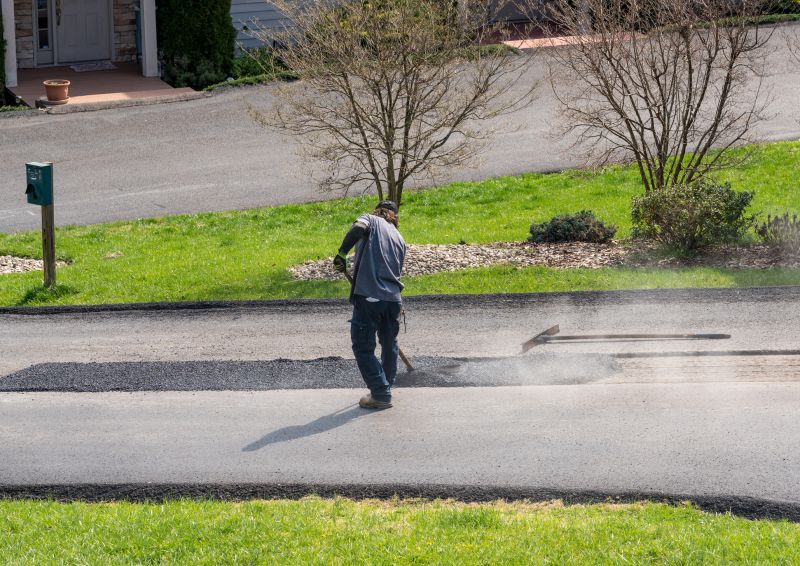
When evaluating asphalt paving versus concrete for a driveway or other surface, it’s important to consider the experience of local contractors with similar projects. Homeowners should look for service providers who have a proven track record of successfully completing projects comparable in size and scope. This experience can indicate familiarity with the specific demands of different surfaces, such as proper installation techniques and material considerations. Reputable contractors often showcase their past work or can provide references that highlight their expertise in asphalt paving or concrete, helping homeowners gauge their ability to deliver quality results tailored to the project’s needs.
Clear, written expectations are essential when comparing local service providers for asphalt paving services. Homeowners should seek detailed proposals that outline the scope of work, materials to be used, and the anticipated process from start to finish. This transparency helps prevent misunderstandings and ensures that both parties are aligned on project goals. A professional contractor will communicate openly about the options available between asphalt paving and concrete, explaining the benefits and limitations of each surface to assist in making an informed decision that aligns with the homeowner’s preferences and practical requirements.
Good communication and reputable references are key factors in selecting the right service provider for asphalt paving or concrete work. Homeowners are encouraged to ask for references from previous clients or to review testimonials that reflect the contractor’s reliability and quality of work. Effective communication throughout the project ensures that questions are answered promptly and concerns are addressed early, fostering a smoother process. By choosing local contractors known for clear communication and positive references, homeowners can feel more confident that their project will be handled professionally, with attention to detail and a focus on meeting expectations for the chosen surface type.
Property owners often search for asphalt paving vs. concrete: choosing the right surface when they are planning practical projects around their homes and businesses. Local pros provide Asphalt Paving services for everyday jobs and straightforward project options.
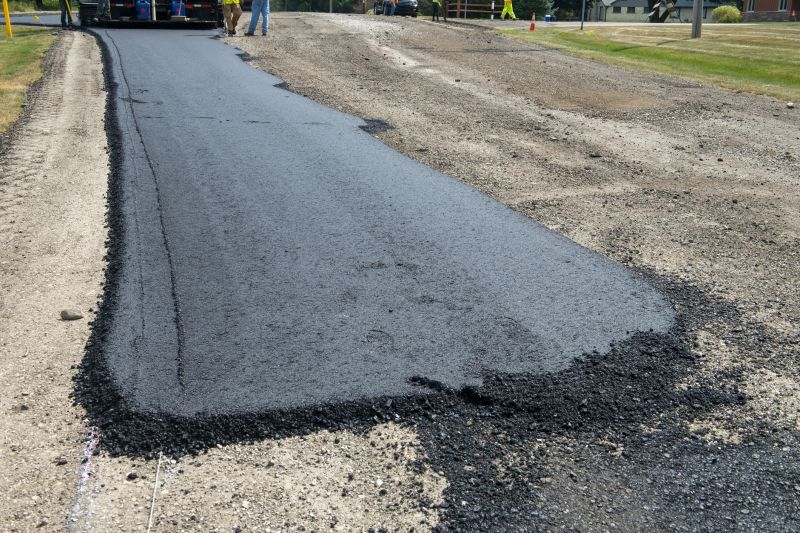
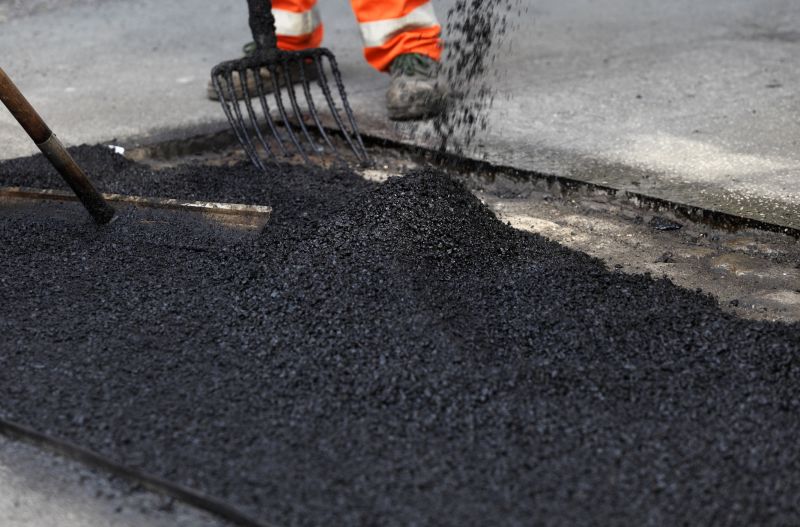
When considering driveway or parking lot upgrades, property owners often explore the differences between asphalt paving and concrete to determine which surface best suits their needs. Asphalt paving tends to be favored for its quick installation and smooth finish, making it a popular choice for those seeking a cost-effective and efficient solution. On the other hand, concrete offers durability and a longer lifespan, which might appeal to property owners looking for a surface that withstands heavy use over time. Local contractors can provide insight into how each material performs in the specific climate and usage patterns of the area, helping property owners make informed decisions.
Many property owners also look into asphalt paving services when they want a surface that is easy to maintain and can be resurfaced or repaired with minimal disruption. Concrete surfaces, while more resistant to certain types of damage, may require more effort to repair if cracks or chips occur. Local service providers can assess the project’s scope and advise on which material aligns best with the property’s functional needs and aesthetic preferences. Whether choosing asphalt paving or concrete, connecting with experienced local contractors can ensure the right surface is installed to meet the property’s demands.
What are the main differences between asphalt paving and concrete surfaces? Asphalt paving typically offers a smoother appearance and is easier to repair, while concrete provides a more durable surface that can last longer with less maintenance. Local contractors can assess which material suits specific project needs best.
How does the durability of asphalt paving compare to concrete? Concrete generally has a longer lifespan and can withstand heavy loads better, whereas asphalt may require more frequent repairs but is easier and less costly to fix. Local service providers can recommend the most durable option for different applications.
Which surface is better for areas with frequent temperature changes? Asphalt tends to perform better in temperature fluctuations, as it expands and contracts more easily. Local pros can advise on the best material based on local climate conditions and usage.
Can asphalt paving be customized for different aesthetic preferences? Yes, asphalt can be colored or stamped to add visual appeal, though concrete offers more options for decorative finishes. Local contractors can help choose and install the surface that matches aesthetic goals.
What maintenance considerations should be kept in mind when choosing between asphalt and concrete? Asphalt generally requires sealing and periodic repairs, while concrete needs less frequent maintenance but may be more susceptible to cracking. Local service providers can provide guidance on ongoing upkeep for each surface type.
Assessing durability needs - property owners can evaluate whether asphalt paving services from local contractors suit high-traffic areas or heavy-use driveways.
Considering aesthetic preferences - choosing between asphalt and concrete can be guided by the desired look, with local pros offering guidance on finish options.
Evaluating maintenance requirements - property owners can plan for upkeep by understanding the long-term care needs of asphalt paving versus concrete surfaces with help from local service providers.
Matching project budget and timeline - selecting the right surface involves balancing cost and installation speed, with local contractors providing insights tailored to specific project goals.
If you are thinking about asphalt paving vs. concrete: choosing the right surface for a property, this guide is meant to help you understand this topic, the typical project types, and how different options might fit your plans.
When you are ready, you can use the quote form on this page to share a few details about your project. From there, local pros can review the basics and follow up with options that match what you have in mind.